
For many parents, the journey of supporting a child with reading differences like dyslexia is an emotional rollercoaster. You might see your child’s frustration boil over during homework or notice them avoiding books as if they were “allergic” to them. If reading has become a source of anxiety rather than joy in your home, you are not alone.
To help families navigate these challenges, we hosted our first virtual parent workshop on February 25, 2026, exclusively for our parent members. This session was designed to provide practical support for motivating reluctant readers and ensuring families get the most out of their Learning Ally Audiobook Solution. At Learning Ally, we believe that a struggle with decoding should never be a barrier to a child’s intellectual growth. Through ed-tech solutions like human-narrated audiobooks, we are helping students transition from reluctant readers to confident, independent learners.
Understanding the Reading Brain: Why Some Students Struggle
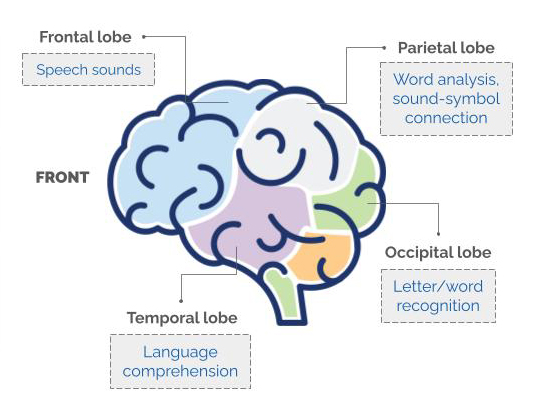
It is a common misconception that learning to read is a natural process. In reality, while the human brain is wired for oral language and visual processing, it is not naturally wired to read.
To read, the brain must build complex neural pathways that connect visual letter recognition to speech sounds and language comprehension. For many students, building these “bridges” requires systematic, explicit instruction and significantly more repetition than their peers.
How Reading Differences Manifest
When a child struggles with these neural connections, it often shows up in ways that extend beyond just “slow reading”:
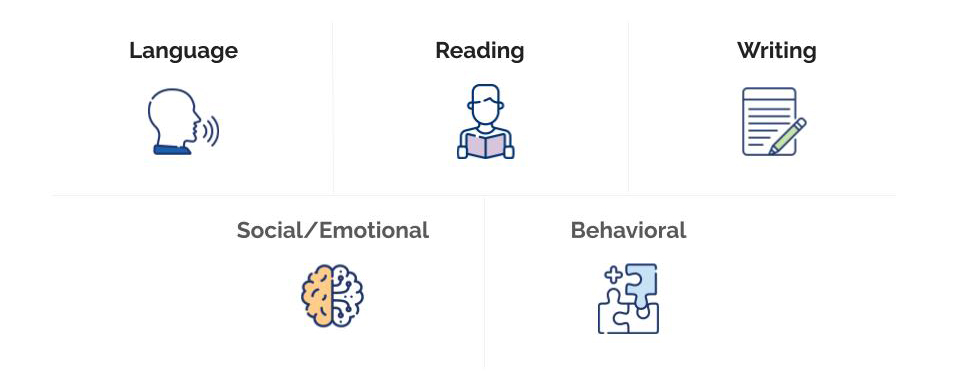
- Decoding Issues: Difficulty matching sounds to letters or understanding that letters represent specific sounds.
- Fluency Gaps: Reading may sound slow, choppy, or robotic instead of smooth and natural.
- Comprehension Barriers: A child might read words correctly but fail to understand the meaning because they are using all their mental energy just to decode the text.
- Social and Emotional Impact: Constant struggle can lead to anxiety, stress, frustration, shame, and low confidence.
- Behavioral Signals: When children cannot express these feelings with words, they often express them through behavior or communication.
The Power of Human-Narrated Audiobooks: More Than Just “Listening”
A frequent question from parents is: “Is listening to an audiobook cheating?” The answer is a resounding no.
The Science of “Ear Reading”
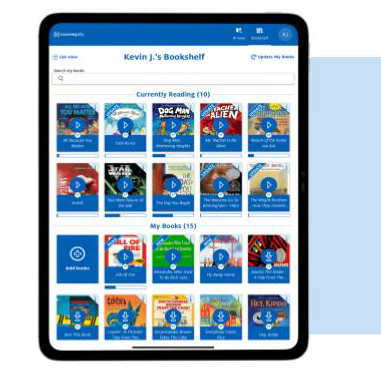
Research from the University of California, Berkeley, reveals that both reading and listening stimulate the same cognitive and emotional areas of the brain. This indicates no discernible gap in comprehension between traditional reading and “ear reading”.
By utilizing audiobooks, students can:
- Improve Comprehension by 76%: Research has proven that reading comprehension improves significantly for students who utilize audiobooks.
- Gain Equitable Access: Students can access grade-level textbooks, popular fiction, and primary source documents they cannot yet decode independently.
- Build Vocabulary and Critical Thinking: Exposure to more words through audiobooks helps build the background knowledge necessary for academic success.
- Maintain Rhythmic Pace: Audiobooks act as a rhythmic pacer that eliminates internal distractions and forced re-reading.
Celebrating the Strengths of Our Learners
While it is essential to address reading challenges, it is equally important to nurture the incredible strengths that often accompany reading differences. Many of the world’s most successful innovators faced similar struggles.
Students with reading differences frequently excel in:
- Creativity and Storytelling: They often have incredible vision in art, design, and building.
- Out-of-the-Box Thinking: They naturally see solutions from unique perspectives and are gifted problem solvers.
- Interpersonal Skills: Many are gifted connectors, performers, and empathetic leaders.
- Reasoning: These students often ask the big questions and think deeply.
Practical Strategies for Success at Home
Establishing a positive reading routine is key to building your child’s confidence. Here are three strategies to get started:
1. Create a “Discovery Nook”
Designate a comfortable, positive space for audiobook reading. Whether it’s a beanbag chair with a soft blanket or a “reading tent,” let your child lead the effort in making the space their own.
2. Focus on Interests Over Level
Instead of asking “What do you want to read?”, ask “What do you want to know more about?”. Motivation increases when students self-select texts based on their passions—be it Minecraft, survival stories, or graphic novels.
3. Use “Micro-Habits”
Don’t aim for an hour of reading right away. Start with a 10-minute timer a few days a week and build stamina slowly. Consistency is more important than quantity when healing a child’s relationship with books.
Expert Q&A: Your Top Questions Answered
Q: How do audiobooks help my child read faster?
A: They act as a rhythmic pacer that eliminates internal distractions and the urge to constantly re-read the same sentence, forcing the brain to maintain consistent forward momentum.
Q: My tween thinks audiobooks are for “little kids.” How can I change their mind?
A: Try normalizing the practice by finding high-interest books or showing them videos of successful athletes and celebrities who use audiobooks. You can also model the behavior by listening to your own audiobooks in the car together.
Q: Does listening only—without following highlighted words—still help?
A: Yes! While following highlighted text is great for decoding, “listening only” still builds essential visualization, vocabulary, and comprehension skills.