
What K–12 Teachers Need to Know and How to Use These Titles in the Classroom
If you want insight into what truly engages student readers, look beyond “recommended” lists and straight to listening data. In 2025, audiobook usage reveals a powerful truth: when students are given access to high-interest, age-appropriate stories in audio format, they read more and for longer stretches of time.
Based on pages and minutes read across grade bands, this year’s top audiobook titles highlight familiar favorites, enduring classics, and a growing appetite for stories that combine humor, action, and emotional depth. Here’s what’s resonating with students right now—and how teachers can use these titles to spark engagement, support diverse learners, and build joyful reading habits.
Elementary School (K–5): Humor, Heroes, and High Volume Listening
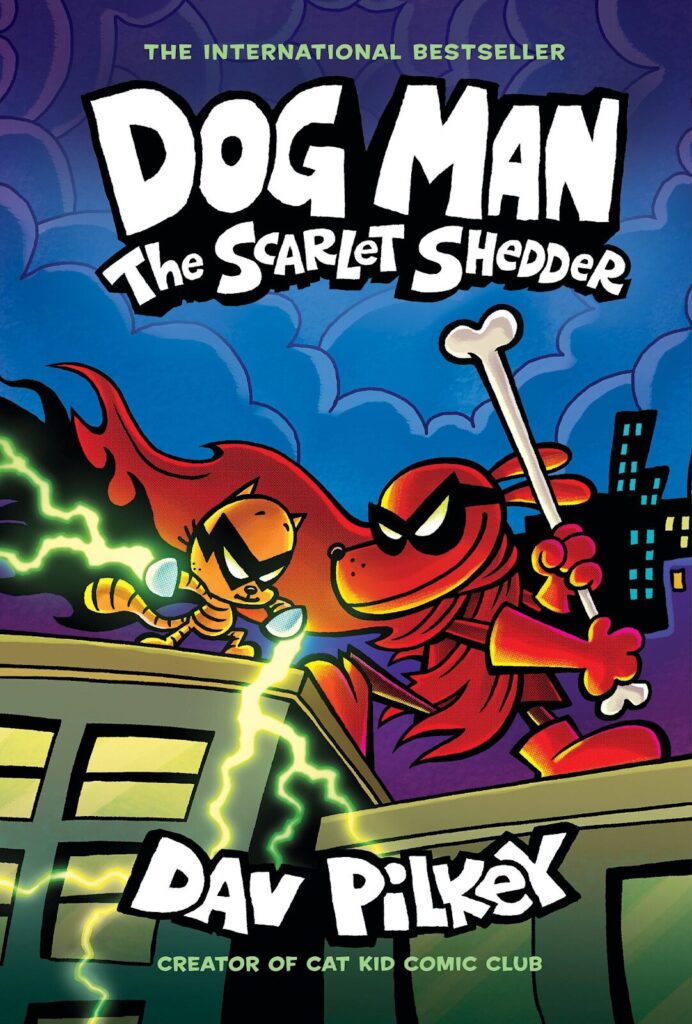
🏆 K–5 Top Audiobook: Dog Man: The Scarlet Shedder led all elementary titles with more than 1.8 million minutes read, far outpacing other audiobooks and showing how high-interest series build early reading stamina.
Other consistent favorites include:
- Diary of a Wimpy Kid: Diper Överlöde by Jeff Kinney
- Additional Dog Man installments by Dav Pilkey such as Mothering Heights, Fetch-22, and A Tale of Two Kitties
Why it matters for teachers:
These titles are doing heavy instructional lifting. Their humor, fast pacing, and strong narration keep students listening longer—supporting stamina, comprehension, and vocabulary development, especially for striving or reluctant readers.
Classroom applications:
- Pair audiobooks with print for decoding and fluency support
- Use chapters for mini-lessons on character traits or sequencing
- Offer as independent listening during literacy centers to build reading confidence without pressure
Middle School (Grades 6–8): Series, Adventure, and Choice
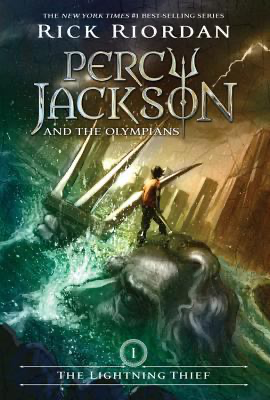
🏆 Grades 6–8 Top Audiobook: The Lightning Thief by Rick Riordan topped middle school listening with more than 1.2 million minutes read, showing that students will commit to longer, chapter-based novels when audio support is available.
Other top titles include:
- Diary of a Wimpy Kid installments by Jeff Kinney
- Greg Heffley’s Journal, Big Shot, and No Brainer
Why it matters for teachers:
Middle school is where many students disengage from reading. Audiobooks help bridge that gap, especially for students managing heavier academic loads, learning differences, or reduced motivation.
Classroom applications:
- Offer audiobooks as an entry point to longer novels
- Use shared listening for whole-class discussions
- Support content-area literacy by pairing fiction audiobooks with thematic units
High School (Grades 9–12): Classics, Contemporary Voices, and Meaningful Themes
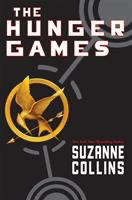
🏆 Grades 9–12 Top Audiobook: The Hunger Games by Suzanne Collins led high school titles with more than 323,000 minutes read, reflecting strong engagement with complex, high-interest texts often used in secondary classrooms.
Other leading titles include:
- Fahrenheit 451 by Ray Bradbury
- To Kill a Mockingbird by Harper Lee
- The Hate U Give by Angie Thomas
These are books students are often required to read—but audiobook data shows they are also choosing to listen, signaling increased access and sustained engagement.
Why it matters for teachers:
Audiobooks make rigorous texts more accessible without lowering expectations. They support comprehension, allow students to focus on analysis rather than decoding, and help ensure all learners can participate in rich discussions.
Classroom applications:
- Provide audiobooks alongside print for whole-class novels
- Support English learners and students with IEPs
- Encourage independent listening to deepen understanding of theme, tone, and voice
What This Year’s Data Tells Us: Minutes Matter
Across all grade levels, one pattern is clear: students listen more when they have access to books they love in formats that work for them. While audiobooks are not a replacement for reading, they are a powerful pathway into it.
For teachers, these 2025 top titles offer more than popularity; they offer proven engagement. Whether you are building classroom libraries, planning read-alouds, or supporting differentiated instruction, audiobooks can help every student see themselves as a reader.