
A New Path Into Reading With Less Frustration
For many students with dyslexia, ADHD, or other reading challenges, books can feel like a wall rather than a window. Dense text, decoding fatigue, and slow reading rates often overshadow curiosity and comprehension—leading to avoidance, discouragement, or the belief that they’re “not a reader.”
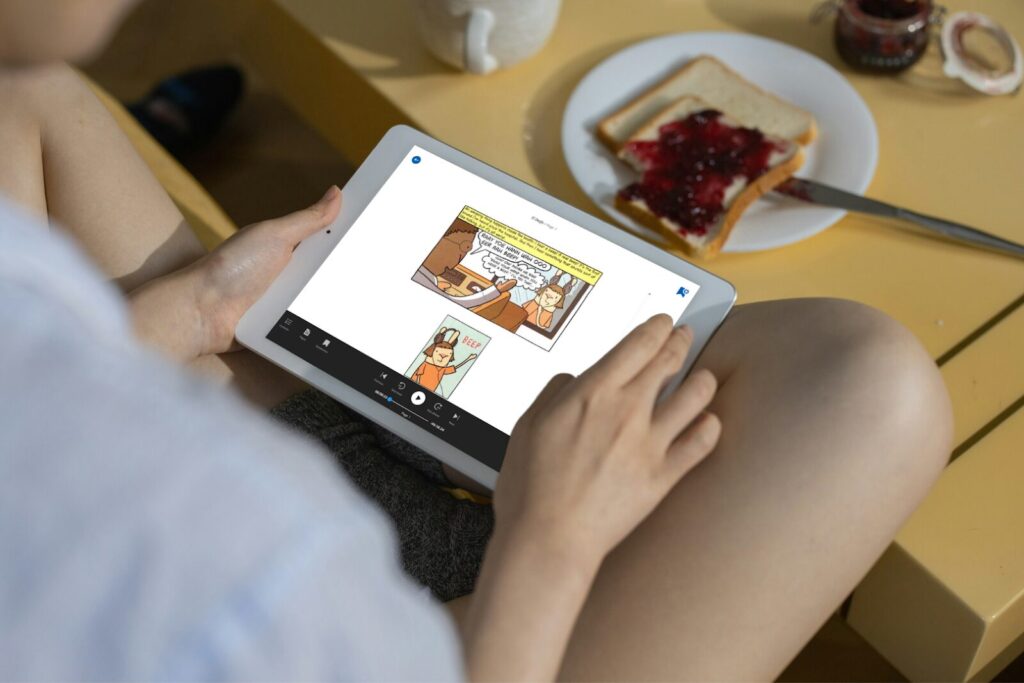
But when students experience stories through graphic novels and human-narrated audiobooks, something shifts.
They understand.
They engage.
They finish books.
And—most importantly—they want to read more.
Research consistently shows that multimodal reading supports, like visual scaffolds, images, and audiobooks, help struggling and neurodivergent readers access content, build vocabulary, and strengthen comprehension. When combined, graphic novels and audiobooks offer an accessible literacy pathway that maintains rigor without reducing complexity.
How Graphic Novels Support Struggling Readers
1. Visual Cues Reduce Cognitive Load
Graphic novels blend illustrations and text, giving students context that supports decoding. According to Mayer’s Cognitive Theory of Multimedia Learning, comprehension improves when visuals and text work together because students process information through both channels.
For students who struggle to decode, visuals keep them anchored in the story even when the text is challenging.
2. Chunked Text Makes Reading Feel Doable
Speech bubbles, short sentences, and manageable text segments reduce overwhelm and help students build reading stamina. This format supports students who experience anxiety or fatigue with long passages and dense pages.
3. Visuals Strengthen Vocabulary & Comprehension
Images help students infer unfamiliar words, track story events, and build comprehension. Research shows that when text is paired with visuals, students—especially multilingual learners and struggling readers—gain vocabulary more effectively.
Graphic novels naturally reinforce essential comprehension skills such as:
- inference
- sequencing
- prediction
- structure awareness
- emotional interpretation
4. Motivation and Confidence Soars
Graphic novels provide that crucial “I can do this” moment. They offer authentic, age-appropriate stories that don’t make readers feel behind.The National Center on Improving Literacy (NCIL) notes that students stay engaged longer when the material they read feels accessible and connected to their interests.
5. Graphic Novels Support Neurodiverse Learners
Students with dyslexia, ADHD, or processing differences benefit from layouts that guide attention and clarify meaning. The International Dyslexia Association (IDA) emphasizes that multimodal access—such as visuals, audio, and structured pages—supports comprehension when decoding skills are still developing.
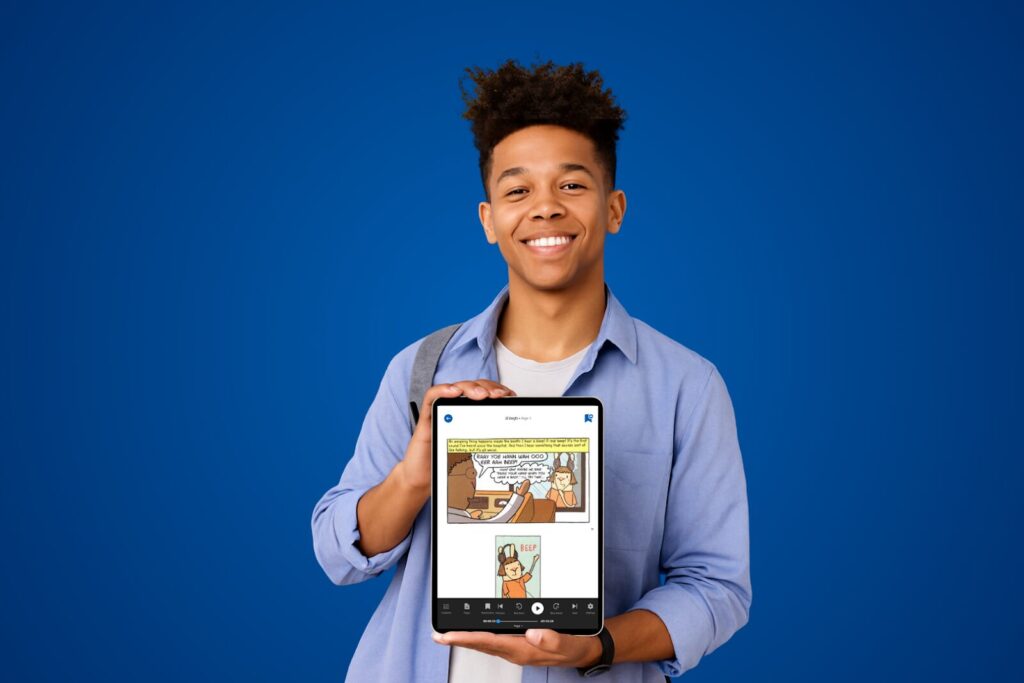
Why Audiobooks + Graphic Novels Are the Ultimate Pairing
Audiobooks model fluent reading, such as expression, pacing, and phrasing, while giving students access to grade-level content their decoding may not yet support.
According to the National Center for Learning Disabilities (NCLD), audiobooks improve comprehension and independence for students with dyslexia by reducing the decoding burden.
When students use a graphic novel audiobook, they can:
- follow text with audio support
- build reading automaticity
- retain more information
- deepen comprehension
- read for longer periods
- access stories at their intellectual level
This is not a shortcut. It’s an evidence-based approach aligned with structured literacy, opening the door to rich language and complex ideas.
Popular Graphic Novels
Elementary (Grades K–5)
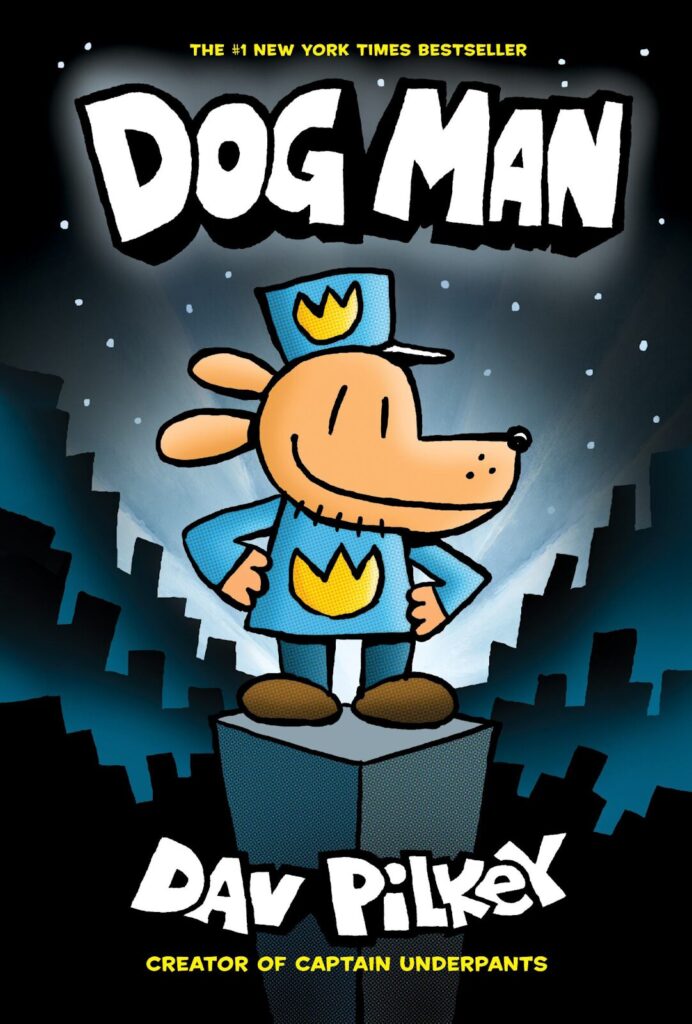
- Dog Man by Dav Pilkey
Playful, visual, and confidence-boosting for early and developing readers. - Babymouse by Jennifer L. Holm & Matthew Holm
Relatable humor and strong visuals make this series accessible and fun. - Amulet series by Kazu Kibuishi
Adventure-driven with visuals that support comprehension for readers who struggle with dense text.
Middle School (Grades 6–8)
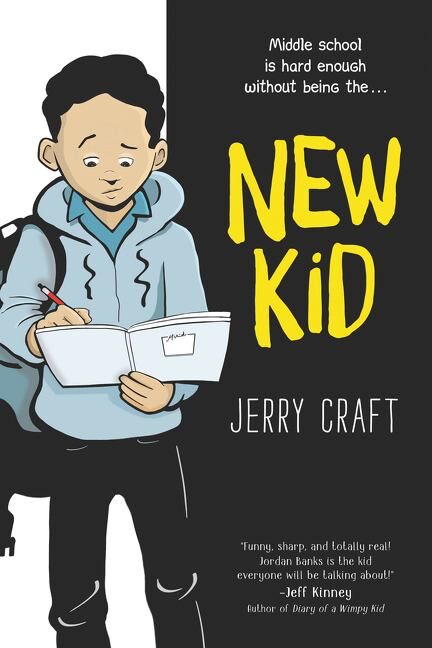
- New Kid by Jerry Craft
Emotionally rich and socially relevant; excellent for discussions about identity and belonging. - Awkward by Svetlana Chmakova
Strong visual storytelling and relatable school-based themes. - Secret Coders by Gene Luen Yang & Mike Holmes
Blends coding, logic, and narrative—perfect for engaging STEM-minded students.
High School (Grades 9–12)
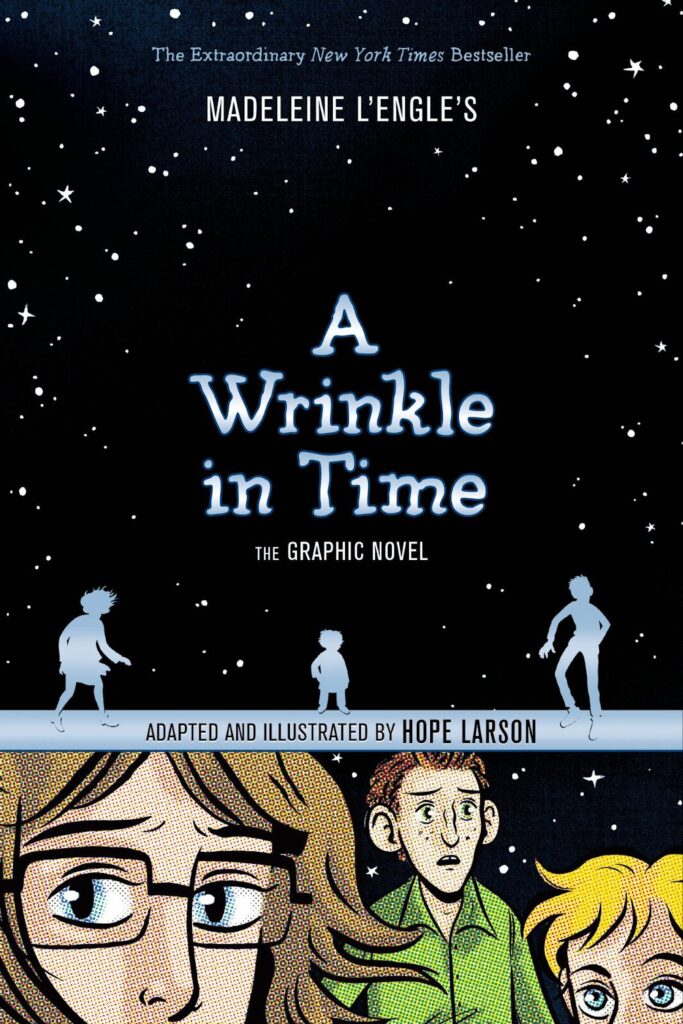
- A Wrinkle in Time (Graphic Adaptation) by Madeleine L’Engle
Supports understanding of abstract sci-fi concepts while preserving the story’s heart. - To Kill a Mockingbird (Graphic Adaptation) by Harper Lee
A powerful way to explore themes of justice and empathy through accessible visuals. - American Born Chinese by Gene Luen Yang
A culturally rich, visually engaging story about identity and belonging.
👉 See more graphic novels as audiobooks.
How to Choose the Right Graphic Novel for Students
✔ Match Interests: Humor, fantasy, STEM, mystery—engagement is everything.
✔ Check Visual Complexity: Choose layouts that support comprehension rather than overwhelm.
✔ Pair with Human-Narrated Audiobooks: Especially helpful for students still building decoding skills.
Change the Format, Change the Experience
Graphic novels and audiobooks aren’t “cheats.” They are evidence-based access tools that provide struggling readers with the same rich stories, vocabulary, and grade-level ideas as their peers.
They develop real literacy skills.
They support reading identity.
They unlock joy.
Most importantly, they help students finally see themselves as readers.