K–12 schools are facing a difficult question: What role should technology play in today’s classroom?
As lawmakers, school leaders, educators, and families grapple with growing concerns about student device use, the conversation can quickly become focused on one simple measure: screen time.
However, screen time alone doesn’t tell us whether technology is helping readers learn.
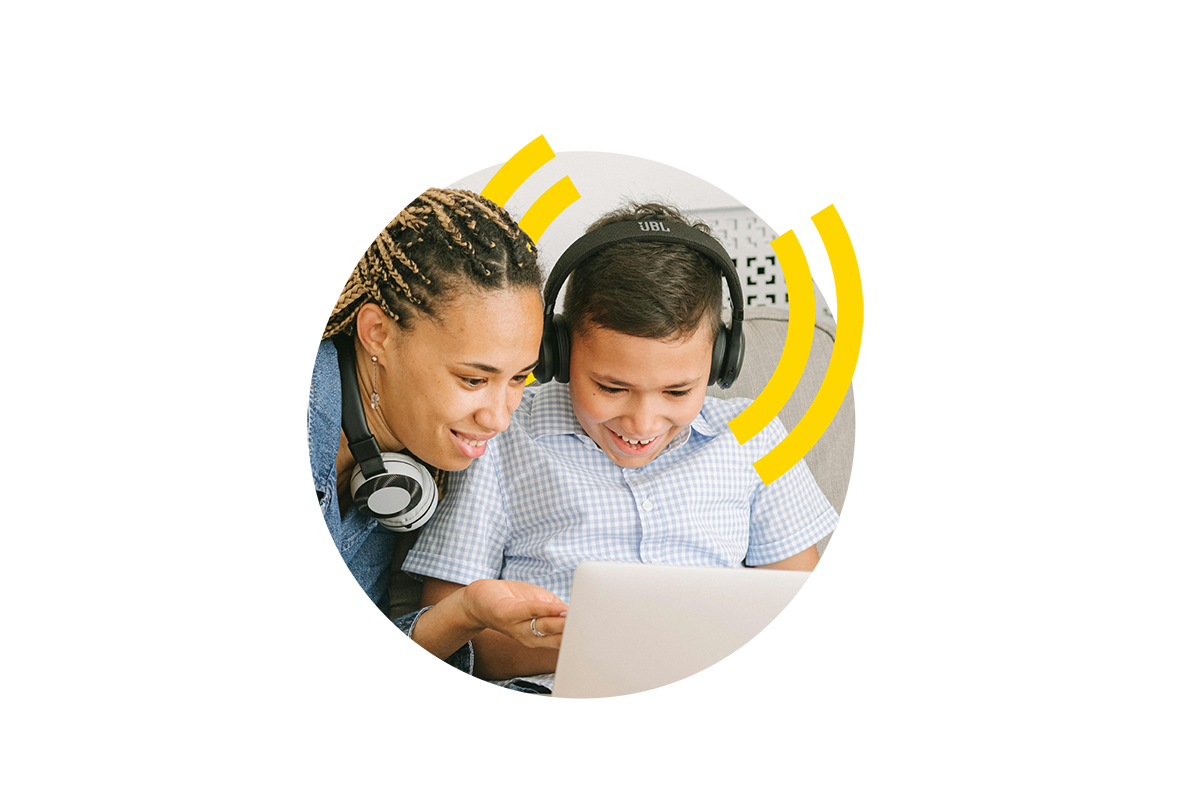
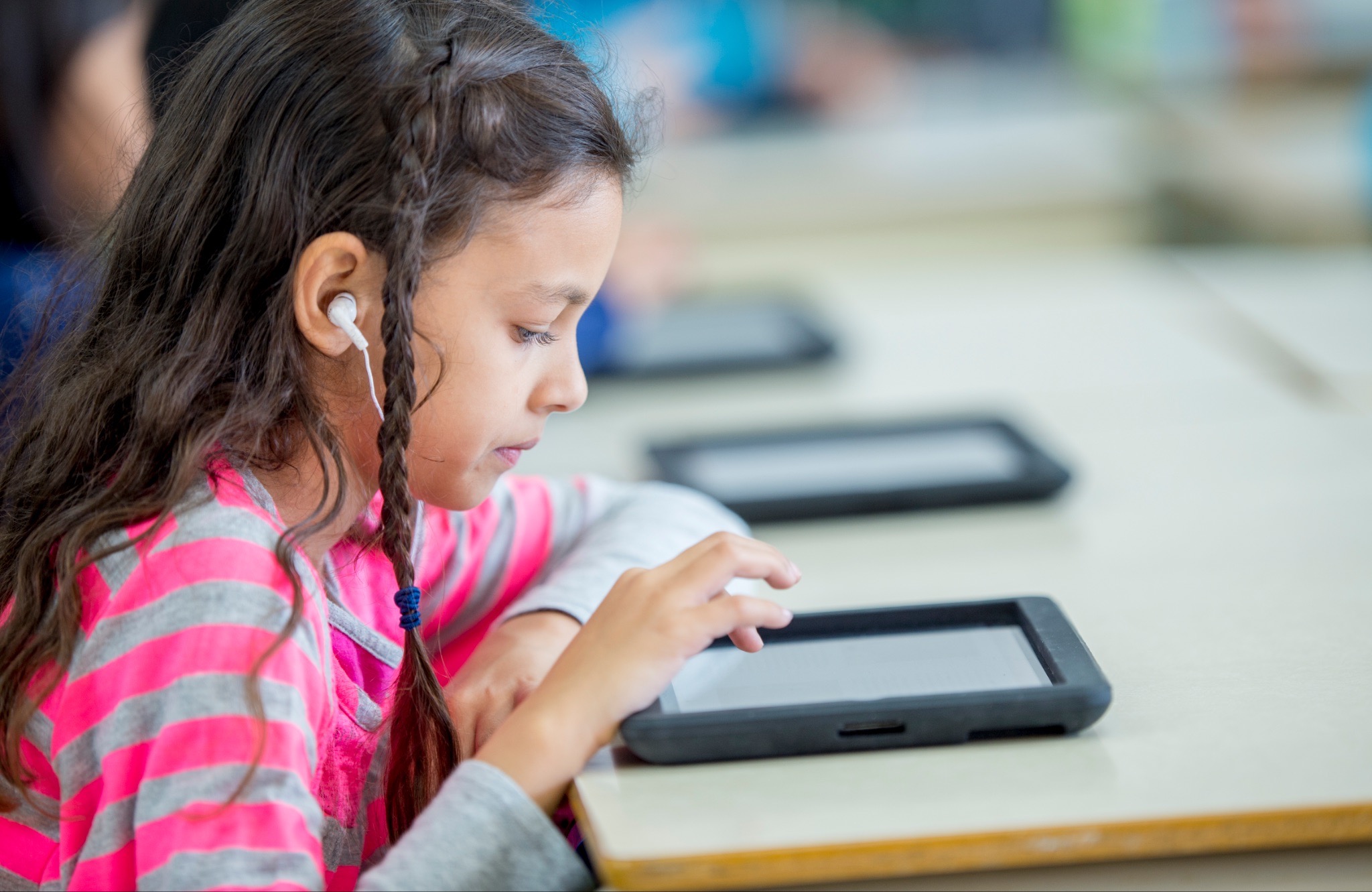
A student reading an accessible digital text, using assistive technology to build comprehension while building their decoding skills, or engaging with a purpose-built learning tool is having a very different experience from a student scrolling through a commercial platform designed to maximize engagement.
For school leaders and families, the challenge is figuring out where technology supports learning, and where it becomes a distraction.
From Screen Time to Learning Value
Counting the number of minutes students spend on devices doesn’t tell the whole story.
The more important question may be: How can we evaluate the learning value of a student’s interaction with technology?
Purpose-built educational technology can serve as a catalyst for learning when it is intentionally connected to instructional goals. It can provide access to content, support different learning needs, and help students engage with material that might otherwise be out of reach.
At the same time, consumer technology and algorithm-driven platforms can introduce very different incentives and distractions into the learning environment.
That distinction matters as districts develop or revisit their device policies. Rather than treating all technology as the same, education leaders need to consider how a tool is designed, how it is used, and whether it contributes to meaningful student outcomes.
Don’t Let the Tech Backlash Overshadow Accessibility
While some concerns about excessive or unproductive technology use are legitimate, broad restrictions on devices can also have unintended consequences—particularly for students who rely on technology to access learning.
For readers with dyslexia and other reading difficulties, assistive and purpose-built educational technology can help reduce barriers to accessing grade-level content. Technology can do more than make existing learning experiences accessible. When thoughtfully integrated, it can create opportunities for students to participate more fully, demonstrate what they know, and take greater ownership of their learning.
The goal isn’t technology for technology’s sake, or choosing between more technology and less. It’s about making thoughtful decisions about which technology, for which students, for what purpose, and with what safeguards. While technology expands access and creates meaningful opportunities for students, it becomes a tool for inclusion and empowerment rather than another source of screen time.
Every Voice Belongs at the Table
The K–12 device conversation affects an entire school community.
Learning Ally’s upcoming panel brings together voices from across the educational ecosystem, including a superintendent, a student, a dyslexia advocate and former educator, an EdTech innovator, a researcher, and moderator Dr. Terrie Noland.
Together, the panelists will explore the competing pressures facing today’s education leaders—from parent concerns and policy changes to accessibility, instructional priorities, and student needs.
For district leaders, the question isn’t simply whether devices belong in classrooms. It’s about creating a digital learning environment that is purposeful, equitable, and designed around student outcomes.
Join the Conversation
The K–12 device conversation can become more productive when we move beyond counting minutes and start asking better questions about value, purpose, access, and impact.

Join Learning Ally for Beyond Screen Time: Navigating the K-12 Device Dilemma on Tuesday, October 6, at 3 p.m. ET / 12 p.m. PT for this vital discussion among education leaders and experts.
Register today and share this opportunity to explore how schools can navigate the complex device landscape while keeping learning, equity, and students at the center.